
 For many families, middle school marks a transition from dependence to independence. Parents become less involved in their students' schooling, leaving students responsible for managing their time.
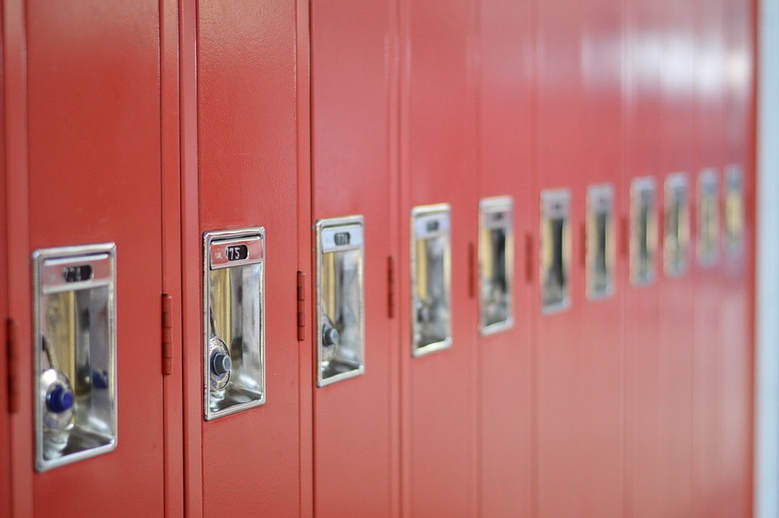
While it's important for students to build responsibility and independence, the transition from elementary to middle school can feel overwhelming. Middle-schoolers are confronted with new school buildings, new classmates, new teachers, new procedures and new expectations. They need parents' support to navigate these changes successfully. Moreover, middle school is a critical time in students' academic trajectories. The math and language skills built in middle school determine students' eligibility for advanced high school coursework. Additionally, middle-schoolers who build strong study skills are better positioned for success in high school and college. Day-to-Day Changes Your student's day-to-day experience in middle school will be profoundly different from elementary school. She'll have different teachers for different subjects, her own locker and a larger building to navigate. Help her prepare by talking about these changes beforehand. Teach her how to use a combination lock and a school email account. The more she knows about these new experiences, the less intimidating they will be. Here are some ways to help your student adapt to day-to-day changes in middle school:
Academic Changes Middle school is much more academically rigorous than elementary school. Students have more homework, more classes and fewer breaks. They start building essential skills for accelerated courses in high school. They also choose their own elective classes. When it comes to electives, students must choose strategically. A computer science course, for example, is more beneficial than woodshop if your student is college bound. Additionally, many colleges require two years of foreign language study for admission, so starting in middle school is advantageous. Here are some way to help your student adjust to the academic demands of middle school:
Social Changes If your child's school offers a transition program, it likely focuses on the procedural and academic changes between elementary and middle school. However, the social changes are often the most pronounced. Children entering middle school are going through big emotional, cognitive and physical changes, and those changes often affect their social lives. Their developing social skills make them more aware of other people's thoughts and opinions, and, while that awareness helps them in many situations, it also causes stress. Many incoming middle-schoolers have anxiety about building new relationships, since they are in class with so many unfamiliar students and teachers. Talk to your child about the best way to make new friends, as well as how to identify toxic friendships and group dynamics. Here are some ways to help your student prepare for the social challenges of middle school:
College Planning in Middle School Is your middle-schooler college bound? If so, the time to start planning for college costs and admissions is now. To learn more about how to create a smart financial plan for college, sign up for our free college financial planning seminar led by an expert financial adviser.
1 Comment
3/27/2019 05:49:43 am
I wanted to make a list of things I hated about schools but right now I guess my running thoughts are taking me elsewhere. I begin to appreciate the children in our neighborhood more and I think maybe the schools are doing a good job. They all seem to be kind people. I guess it's the nature of children to be kind and loving. They only start to become hostile when they get exposed to situations from which they can't find an explanation towards any ill feeling they get from it. That's when they become depressed or worse, violent. It's the repressed feelings that is weighing them down. We should talk to our kids more. Leave a Reply. |
Categories |
 RSS Feed
We make a personal commitment to ensure each student is well-prepared for the academic school year.
|
|
Dedicated to helping your student succeed.